How Zenfulfillment Built a Proprietary WMS by Treating Carrier Integrations as Commodity Infrastructure
Proprietary WMS on Outsourced Infrastructure: Built a custom Warehouse Management System by treating carrier tracking integrations as commodity—freeing engineering resources for differentiated IP.
Predictive Operations at Scale: 100% tracking coverage identifies sortation center bottlenecks and protects delivery promises.
Zero-Maintenance Reliability: 3+ years of stability with Parcel Perform through a major merger—zero engineering maintenance.
About the Customer
Zenfulfillment, a leading European fulfillment provider recently strengthened through its merger with Alaiko, empowers independent e-commerce brands with technology-driven fulfillment solutions. Both companies had independently chosen Parcel Perform before the merger— and continued post-merger, now pulling standardized data across both systems.
The Challenge: Scaling Technology-Driven Fulfillment with Limited Resources
Zenfulfillment differentiates through technology—building proprietary systems that power their fulfillment operations for DTC brands.
To deliver on their service promises, they needed absolute real-time visibility into a fragmented European carrier network (DHL, DPD, Hermes, etc.). However, they faced a critical resource constraint: their engineering team needed to focus on building proprietary fulfillment technology, not maintaining carrier tracking APIs.
The stakes became even higher after their merger with Alaiko. Now, they were operating two separate ecosystems under one roof, each with different carrier configurations and data flows. Without a stable, unified data foundation, managing this complexity would have required months of engineering effort just to build and then continuously harmonize the tracking infrastructure—time they couldn't afford.
The Strategic Decision: Outsourcing Commodity Infrastructure
Faced with these resource constraints, leadership took a future-proof strategic decision: comprehensive and harmonized tracking data was a necessity, not a differentiator—the differentiator was what they did with it. They chose to treat carrier tracking integrations and data flows as commodity infrastructure, outsourcing the data harmonization to Parcel Perform so their team could focus on high-value IP.
The math is simple: every hour spent debugging carrier tracking integrations and figuring out the meaning of event statuses was an hour not building differentiated technology. And the real pain isn’t the initial build—it was ongoing maintenance. Every carrier delivers data in different formats, standards, timezones, and languages. Normalizing that chaos continuously? Not a good use of engineering and teams time.
“Sometimes it looks better to do it in-house, but as soon as you start to count the development time, maintenance time, and all of this... it makes no sense. We ended up using what is available on the market because as soon as you start to count and measure, it makes no sense [to build it yourself]."
The Execution: Turning Data into Operational Precision
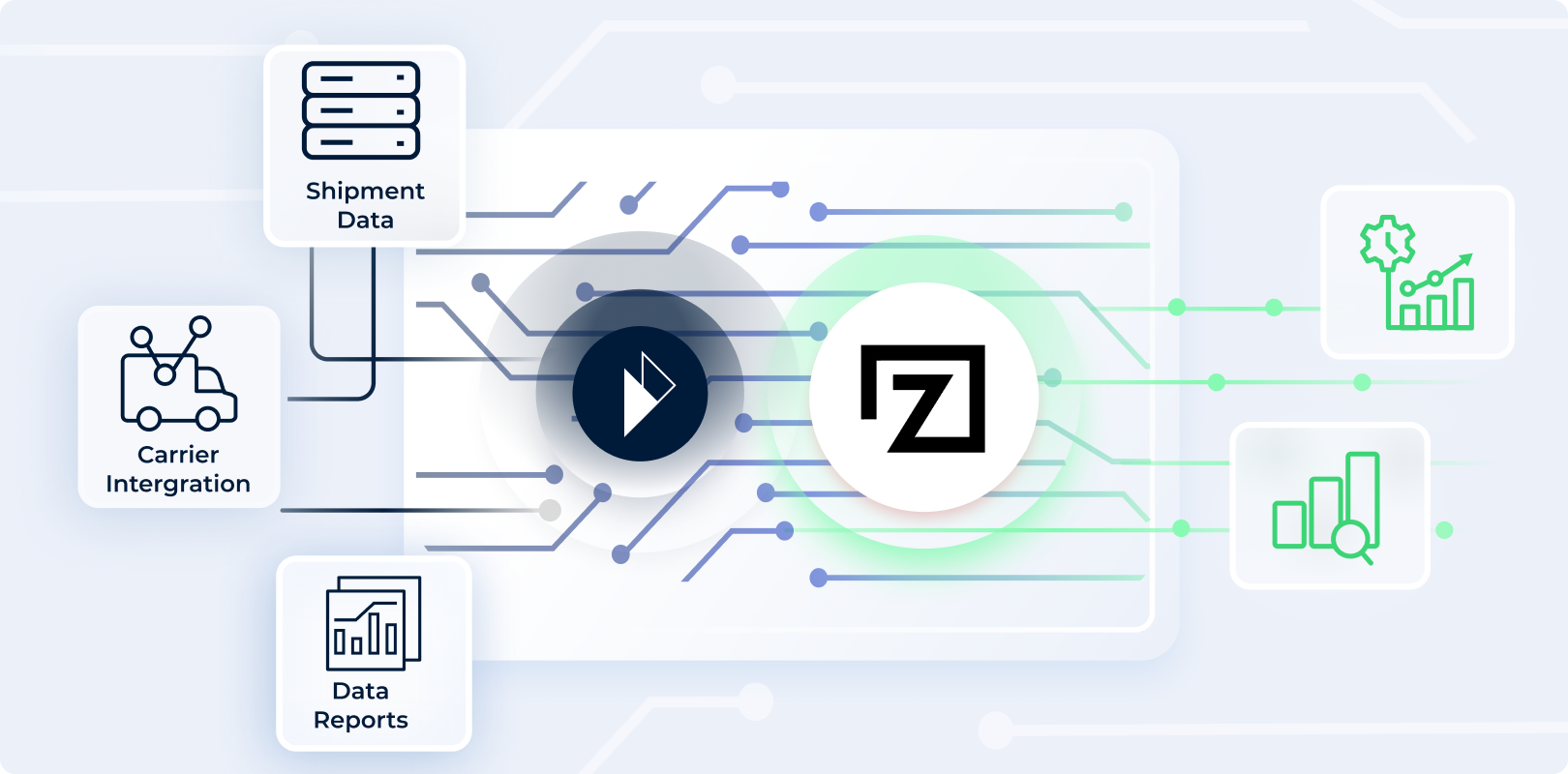
With Parcel Perform as their headless data infrastructure, Zenfulfillment ingests a harmonized data stream for 100% of their parcels directly into their data lake. Despite operating differentiated systems post-merger, they pull fully standardized data across both accounts—powering the operational engine behind their fulfillment services.
"The data is heavily used for next-day delivery prediction and to analyze any bottlenecks. We track 100% of all the parcels and make sure our internal teams or our customers don't have to worry about figuring it out themselves."
Protecting Delivery Promises:
Normalized data validates delivery predictions—they only promise what they can deliver.
Bottleneck Detection:
Granular tracking data allows them to analyze performance "from sortation center to sortation center," identifying failing network nodes and adjusting routing logic before customers are impacted.
Customer-Facing Intelligence:
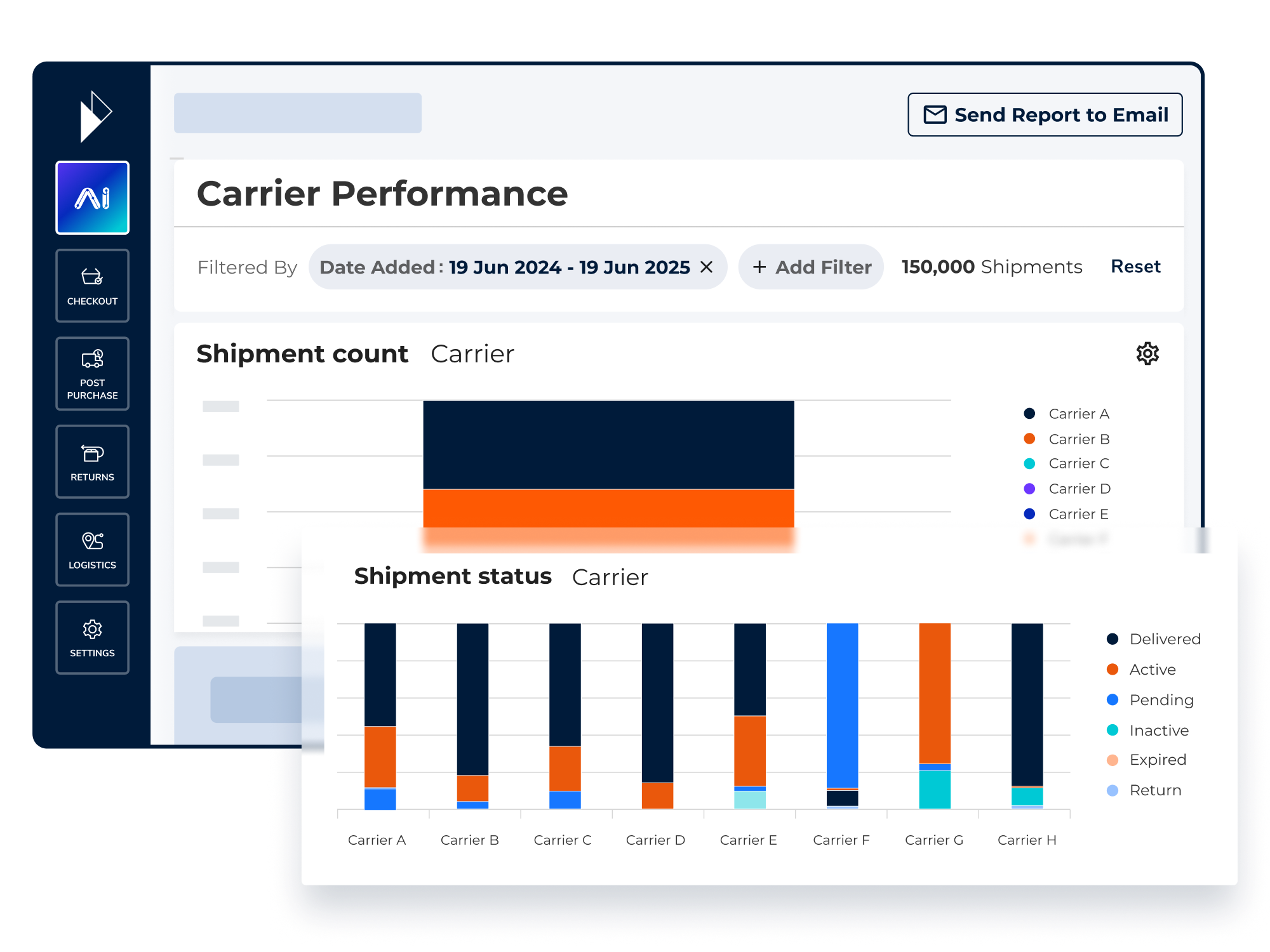
Custom BI dashboards combine warehouse and last-mile data, giving brands complete order-to-delivery visibility.
The Result: Innovation Without Maintenance Debt
The true ROI is measured in what Zenfulfillment built instead of carrier tracking integrations. By outsourcing the data layer, their engineering team delivered proprietary technology that would typically require significantly larger resources:
Proprietary WMS
Custom Warehouse Management System built from scratch to serve both legacy and post-merger operations.
Returns Portal
Integrated solution connecting directly to warehouse operations, enabling seamless returns processing with labels and QR codes.
Cost Audit & Claims System
Internal tools managing shipping cost audits across multiple carriers and automating claims processes.
For over three years, Parcel Perform has provided turnkey reliability—requiring zero maintenance even as volumes scaled and the business navigated a major merger.
"The products I like most are the ones you don't need to worry about. You implement it once, then it works - the less attention you need to put there, the better the product."
Stop Maintaining Integrations. Start Building.
Zenfulfillment built a custom WMS, returns portal, and cost audit system—while navigating a merger—because they weren't debugging carrier tracking APIs.


.webp?width=20&height=20&name=X%20(Success%20story%20landing%20page).webp)